![[HERO] Why Everyone Is Talking About SB 346 (And What It Means for Your Sonoma County Short Term Rental)](https://i0.wp.com/cdn.marblism.com/t9QovUK8uV-.webp?ssl=1)
If you run a short-term rental in Sonoma County, you have probably heard whispers about SB 346. Maybe it came up in a property owners group. Maybe your neighbor mentioned it over coffee. The chatter is real, and for good reason.
SB 346, officially known as the Short-Term Rental Facilitator Act of 2025, took effect on January 1, 2026. This law changes the game for every Airbnb, VRBO, and vacation rental host in California. The days of flying under the radar are over. Local governments now have tools they have never had before to track down unpermitted rentals.
If you have been putting off getting your permits in order, now is the time to act. We will walk you through what this law does, why it matters, and how to stay on the right side of it.
What SB 346 Actually Does
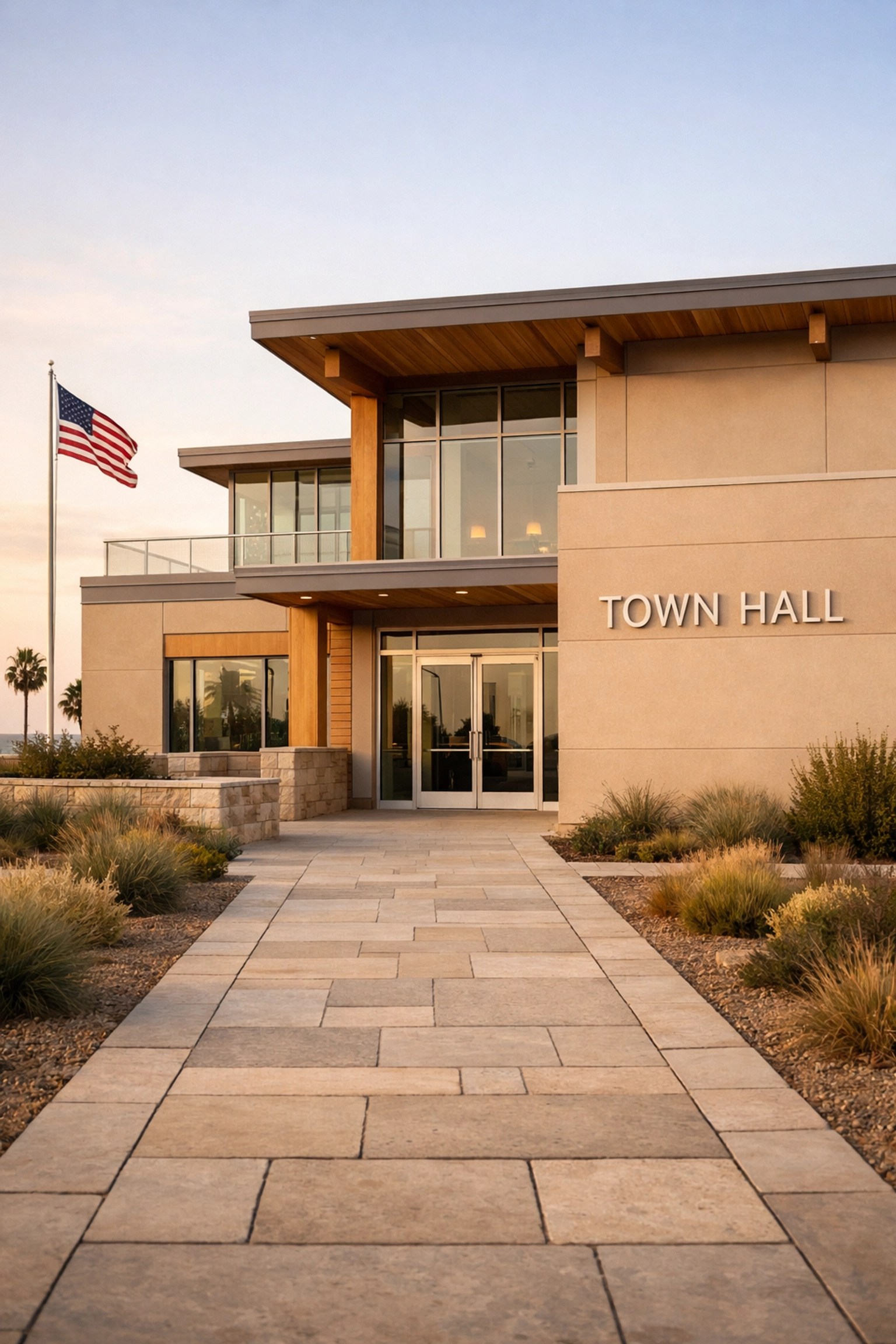
At its core, SB 346 gives local governments the power to demand detailed information from short-term rental platforms. Before this law, cities and counties struggled to enforce their own rules. They knew unpermitted rentals existed, but tracking them down was difficult. Platforms were not required to share much data.
That changed on January 1.
Now, platforms like Airbnb and VRBO must provide local agencies with specific information about every listing in their jurisdiction. This includes the physical address, assessor parcel number, listing URL, and unit details if multiple units exist at one location.
Platforms must also display local permit numbers and transient occupancy tax certifications directly on listing pages. In other words, your permit status is about to become public information.
Why This Law Exists
The problem was significant. Studies estimate that 25% to 75% of short-term rentals operate without proper licenses. That represents substantial lost tax revenue for local governments and creates an uneven playing field for hosts who follow the rules.
Local agencies needed better tools to identify and regulate these properties. SB 346 provides those tools. It levels the playing field and ensures that everyone contributes their fair share of tax revenue.
How It Works in Sonoma County

Here is an important detail: SB 346 is not self-executing. Sonoma County and individual cities within it must adopt their own ordinances to invoke the law. Once they do, the reporting requirements kick in.
Cities like Santa Rosa, Healdsburg, and Petaluma can now request detailed reports from platforms as frequently as quarterly. If they collect monthly transient occupancy tax, they can request monthly reports. They can also audit platform records at government expense.
You should check with your local city or county tax authority to confirm whether they have adopted an ordinance under SB 346. Each jurisdiction may have different timelines and requirements.
What Platforms Must Report
The law requires platforms to provide a comprehensive snapshot of every listing. This includes:
- Full physical address with nine-digit ZIP code
- Assessor parcel number
- Direct URL to the listing
- Unit-specific information if applicable
- Local short-term rental license numbers
- Transient occupancy tax certifications
This data goes straight to local enforcement agencies. They can cross-reference it with their own records to identify properties operating without permits.
Enforcement Just Got Serious

The penalties for non-compliance are steep. Platforms that fail to provide accurate data can face administrative fines up to $10,000 per day. That creates a powerful incentive for them to comply.
For property owners, the message is clear. If you are not properly permitted, you will be found. Local agencies no longer have to rely on complaints or drive around looking for rental signs. They have direct access to every listing in their jurisdiction.
What This Means for You
If you operate a permitted short-term rental with all your paperwork in order, this law is actually good news. It creates a more level playing field and helps ensure that everyone follows the same rules.
If you have been operating without proper permits, you need to take action now. The window for staying under the radar has closed. Local enforcement will only get more aggressive as agencies adopt ordinances and begin receiving platform data.
Getting permitted may feel overwhelming. The process involves multiple steps, paperwork, inspections, and coordination with various agencies. Many property owners put it off because they do not know where to start.
The Permit Process

Obtaining a short-term rental permit typically involves several key steps. You need to verify that your property is located in a zone where short-term rentals are allowed. You may need to obtain a business license and register with your local tax authority for transient occupancy tax collection.
Most jurisdictions require a safety inspection to confirm that your property meets fire and building code requirements. You may need smoke detectors, carbon monoxide detectors, fire extinguishers, and proper egress windows. Some areas have additional requirements for things like septic systems or parking.
You also need to maintain proper insurance coverage and provide proof of that coverage to your local agency. The specific requirements vary by jurisdiction, but they all serve the same purpose: protecting guests and ensuring safe operations.
Why Acting Now Matters
Local agencies are ramping up enforcement. As they receive detailed listing data from platforms, they can identify unpermitted properties quickly. The longer you wait, the more likely you are to face penalties, fines, or orders to cease operations.
Getting your permits in order takes time. Applications need to be submitted, inspections need to be scheduled, and paperwork needs to be processed. Starting the process now gives you the best chance of avoiding enforcement action.
How We Help Take the Stress Out of Permitting
We understand that navigating the permitting process can feel overwhelming. That is where we come in. At Specialized Permitting, we guide property owners through every step of the process.
We help you understand exactly what your local jurisdiction requires. We prepare and submit your applications. We coordinate inspections and follow up with agencies to keep things moving. We handle the details so you can focus on hosting guests.
Our team stays current on changing regulations and enforcement practices. We know what local agencies are looking for and how to present your application for the best outcome. We work with you to address any property issues that might complicate the permitting process.
Moving Forward
SB 346 represents a fundamental shift in how short-term rentals are regulated in California. The era of light enforcement is over. Local agencies now have the tools and data they need to identify and regulate every listing in their jurisdiction.
For property owners, the message is simple. Get your permits in order now. Ensure that your listing complies with all local requirements. Maintain proper insurance and tax registrations. Stay current on any changes to local rules.
If you need help navigating this process, we are here to guide you. The permitting landscape is complex, but you do not have to figure it out alone. We help property owners across Sonoma County get properly permitted and stay compliant with local regulations.
The conversation about SB 346 is happening because this law changes everything. Make sure you are on the right side of those changes. Your rental business depends on it.